
Here's how to organize your kitchen waste system
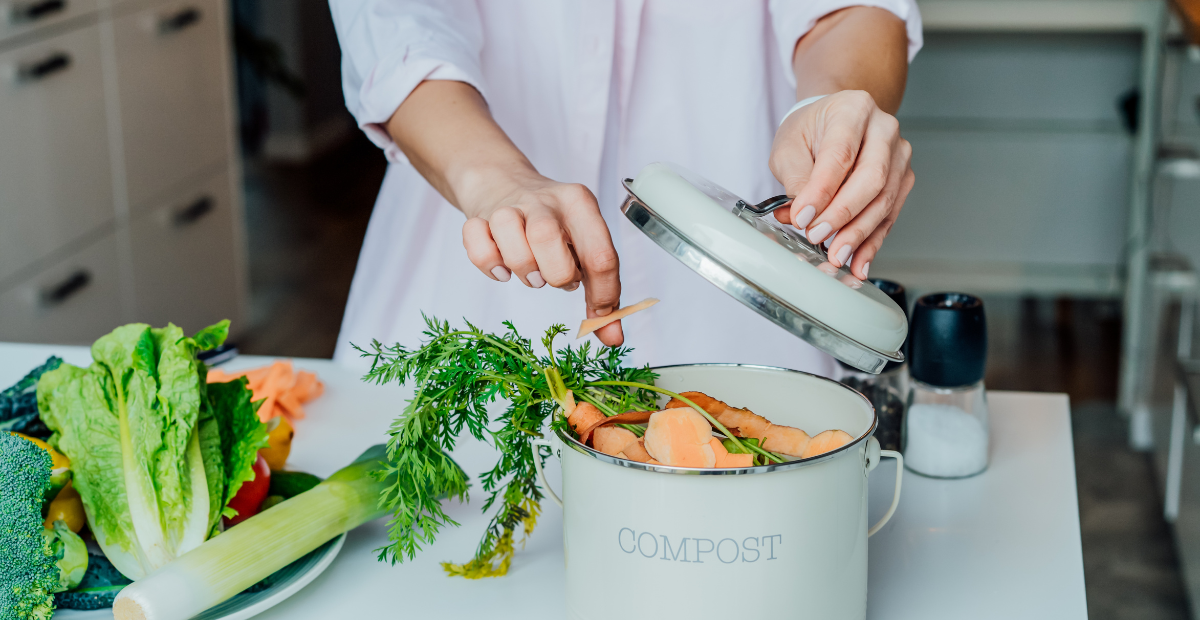
Collect your organic waste
Recycle food scraps and other organic matter into nutrient-rich compost. The composting process involves breaking down organic material, which can be done either commercially or at home. If you have a garden, composting your organic waste is a great way to nourish your plants. Not only does it provide them with essential nutrients, but it also helps to improve drainage and aeration. And if you don’t have a green thumb, don’t worry – there are plenty of companies that will collect your compost and put it to good use. So next time you’re about to throw away your vegetable peels, think again – your trash could be someone’s treasure.
Divert your greywater (wastewater from sinks, baths, and washing machines) into a designated area for irrigation or other purposes
Most of us are guilty of wasting water daily. From leaving the tap running while brushing our teeth to taking long showers, there are many ways that we use more water than we need to. Fortunately, there is a simple way to reduce our water waste and conserve this precious resource: greywater recycling. By diverting the wastewater from our sinks, baths, and washing machines into a designated area, we can use it to irrigate our gardens or wash our cars. Not only does this save water, but it also saves money on our water bills. And with the drought affecting many parts of the country in recent years, greywater recycling is more important than ever.
Recycle your plastic, glass, metal, and paper products
Most people are aware of the benefits of recycling, but many still don’t recycle regularly. One reason may be that they don’t know how to recycle correctly. While it’s true that there are some specific guidelines for recycling different materials, the process is quite simple:
- Separate your recyclables from your regular trash.
- Rinse out any food or drink containers and remove the lids. Once you’ve done this, you can place all of your recyclables in a single bin or bag.
- Take them to your local recycling centre or put them out on recycling day.
By taking these simple steps, you can help reduce the amount of waste that ends up in landfills and ultimately positively impact the environment.
Dispose of any remaining waste in the appropriate way
Once you have sorted your waste into recyclables, compostables, and landfill items, you must dispose of them appropriately. Recyclables can usually be placed in your local recycling bin. If you don’t have access to a recycling bin, check with your local municipality to see if there is a drop-off location. Compostables can be added to your home compost bin or vermicomposting system. If you don’t have a compost bin, you can check with your local municipality to see if there is a community composting program. Landfill items should be taken to your local landfill or transfer station. When disposing of waste, it is important to follow the guidelines set by your local municipality to ensure that the waste is disposed of in the most environmentally-friendly way possible.